
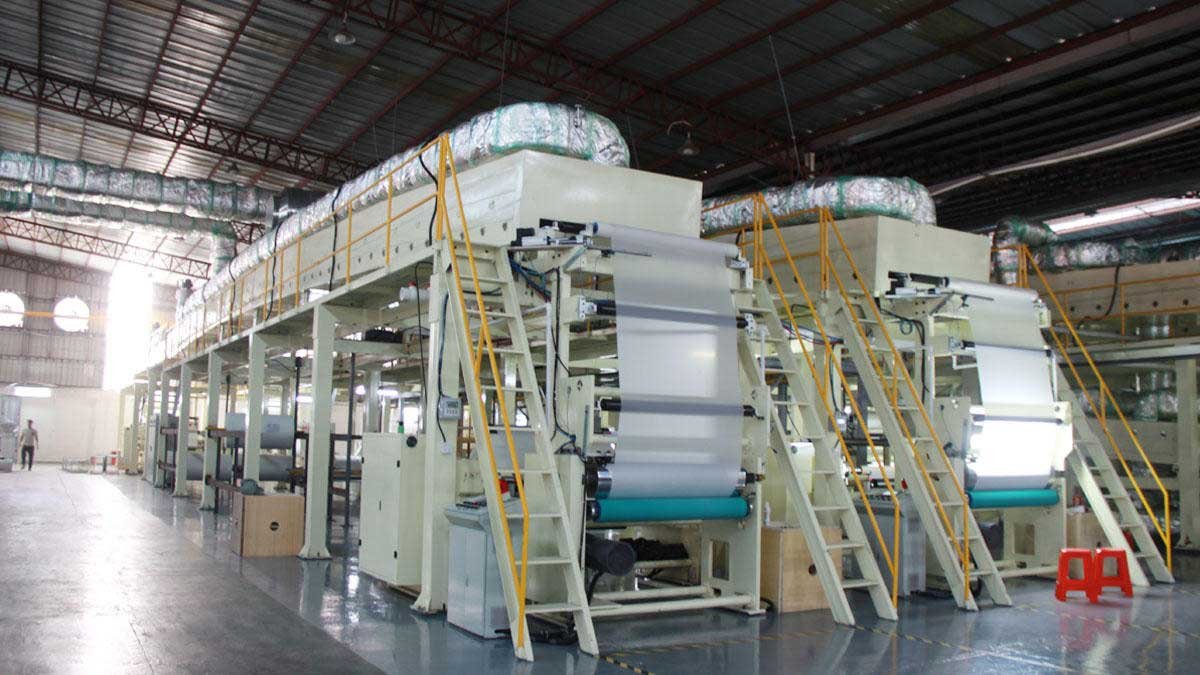
In the digital textile printing ecosystem, the film is far more than a plastic carrier—it is a sophisticated chemical delivery system. As an independent manufacturer, HYprint understands that the difference between a “good” print and a “professional” result lies in the microscopic precision of the coating.
This guide provides the technical blueprint for understanding, selecting, and mastering DTF PET films for high-volume production.
What is DTF Film? (The HYprint Molecular View)
DTF (Direct-to-Film) film is a specialized PET (Polyethylene Terephthalate) substrate engineered with functional layers. Unlike standard plastic, HYprint film features a multi-stage coating:
-
The Base PET Layer: 75μm to 100μm high-tensile polyester that ensures thermal stability (less than 0.1% shrinkage at 160°C).
-
The Ink-Receptive Layer: A nano-porous coating that “flash-locks” ink droplets, preventing bleeding even at 200% white ink density.
-
The Release Layer: A proprietary organic silicone or wax-based coating that dictates how smoothly the film separates from the design.
-
The Anti-Static Backing: A critical industrial coating that prevents TPU powder from clinging to unprinted areas.
Global Film Classifications
To optimize your workflow, you must understand the categories of film available in the market.
By Coating Process: Single-Sided vs. Double-Sided
-
Single-Sided: Frosted on the printable side, glossy on the back. Economical, but prone to static and slipping in some desktop printers.
-
Double-Sided: Frosted on both sides. This is the HYprint Standard. The textured back provides superior friction for industrial rollers and effectively neutralizes static electricity.
By Peeling Process: The Release Physics
| Type | Physics | Best For |
| Cold Peel | Relies on cooling contraction to break the bond. | Intricate details, fine lines, ultra-matte finish. |
| Hot Peel | Relies on heat-activated wax to lower friction. | High-speed production, semi-matte vibrant colors. |
| HY-Instant Peel | Advanced thermosensitive polymer release. | Maximum Efficiency. Immediate peel with no cooling time. |
Visual Effects: Expanding Your Business Portfolio
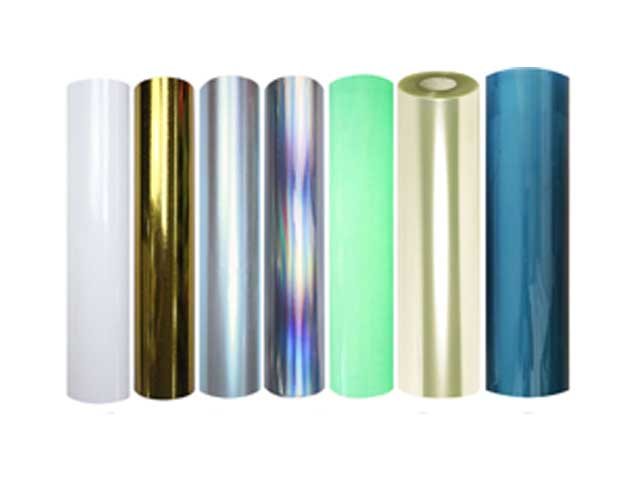
Beyond standard CMYK+W transfers, HYprint develops specialty films to increase your product’s market value:
-
Glitter DTF: Pre-infused with shimmer particles; a cleaner alternative to glitter vinyl.
-
Reflective Colorful: Reflects a rainbow spectrum under light; perfect for safety and streetwear.
-
Luminous (Glow-in-the-Dark): Photoluminescent coating for nighttime visibility.
-
Golden/Silver Foil: Achieves a brilliant metallic sheen with high wash durability.
The Industrial SOP: How DTF Film Works
A flawless transfer requires a synchronized 7-step process:
-
Load Media: Ensure the matte (printable) side is facing the printheads.
-
Print Design: The printer lays down the CMYK layer followed by a heavy White underbase.
-
Apply Powder: TPU adhesive powder is applied. HYprint’s anti-static coating ensures powder only sticks to the wet ink.
-
Cure the Film: Bake at 110°C–150°C. The powder must melt into a “sugar-skin” texture.
-
Placement: Use heat-resistant tape to secure the film to the garment.
-
Heat Transfer: Press at 150°C–170°C for 10–20 seconds (settings vary by fabric).
-
The Peel: Execute the peel according to the film’s specific release profile (Cold/Hot/Instant).
When evaluating suppliers, use the HYprint “7-Factor” Framework:
-
Ink-Absorption Capacity: Does the white and color ink “puddle” or stay crisp?
-
Adhesive Strength: Does the coating bond chemically with the TPU powder?
-
Color Saturation: Does the film preserve the pigment’s original vibrance?
-
Heat Resistance: Does the film yellow or warp in the oven?
-
Detail Preservation: Can it handle 2pt fonts and 0.5mm lines?
-
Wash Durability: Can it survive 50+ industrial wash cycles?
-
Consistency: Is every roll in the pallet identical in coating thickness?
Troubleshooting & Storage (FAQ)
-
Why is my film oily? This is “plasticizer migration” or moisture absorption. Store film in a sealed foil bag at 40%-60% humidity.
-
Which side do I print on? The side that is duller/darker under light. If ink runs like water on glass, you are on the wrong side.
-
Can I reuse DTF film? No. The release and ink-receptive coatings are consumed during the first transfer.
Conclusion: The Power of Independent Manufacturing
Quality in DTF printing starts with the substrate. By choosing HYprint, you are partnering with an independent factory that controls the entire chemical coating process. We don’t just sell film; we engineer the foundation of your printing success.
[Request your HYprint Professional Sample Kit & Technical Data Sheet here]
 English
  French
  Italian
  Arabic