
If you want a quick answer:
Both DTF and DTG can deliver high-quality prints — the right choice depends on your fabric, design, and production needs.
DTG works best on natural fabrics like cotton, offering a soft, breathable feel.
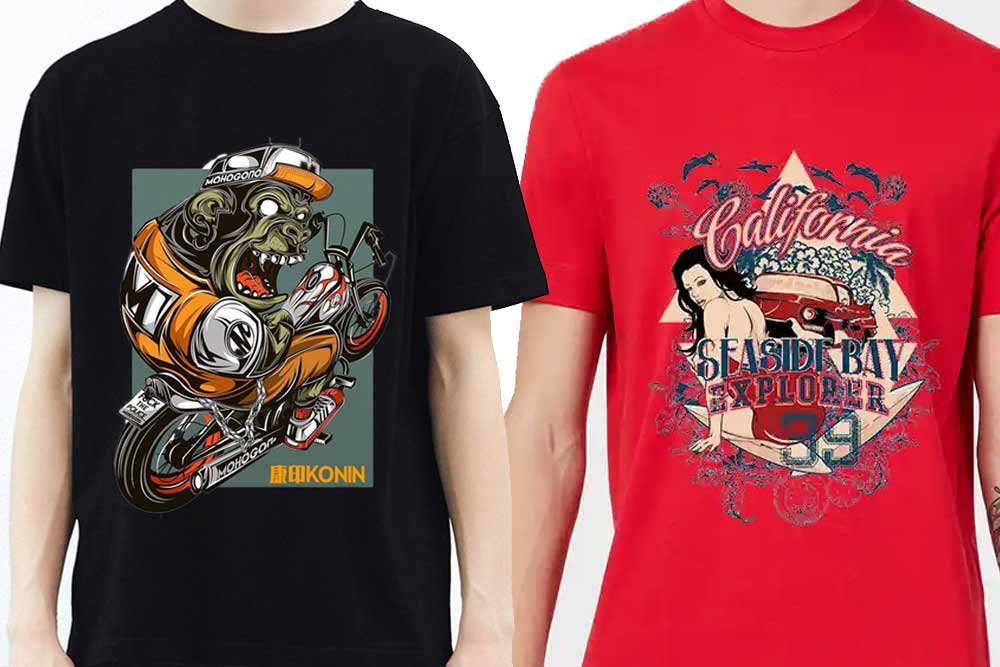
DTF, on the other hand, stands out for its versatility — it works on almost any fabric and delivers sharp, vibrant results.
Let’s break it down in detail so you can make the right decision for your business.
What Is DTF Printing?
DTF (Direct to Film) is a printing method where designs are first printed onto a coated transfer film, then transferred onto fabric using adhesive powder and heat pressing.
Key Features of DTF Printing:
- Works on cotton, polyester, blends, nylon, fleece, and more
- Produces vibrant, high-contrast colors
- Suitable for both light and dark fabrics
- Excellent for detailed and complex artwork
Unlike traditional methods, DTF doesn’t rely on fabric absorption — the design sits on top of the material, ensuring consistency across different textiles.
How Does DTF Printing Work?
The DTF process includes several steps:
- Print the design onto a coated PET film using water-based inks
- Apply hot melt adhesive powder evenly on the wet ink
- Cure the powder using heat
- Transfer the design onto fabric with a heat press
Although it involves multiple steps, the full process can be completed within minutes, making it suitable for both small and large production runs.
What Is DTG Printing?
DTG (Direct to Garment) printing applies ink directly onto fabric using inkjet technology.
The ink penetrates the fibers, creating a soft and breathable finish.
Key Features of DTG Printing:
- Best for cotton and natural fabrics
- Soft hand feel with no heavy layer
- Ideal for simple or medium-complexity designs
- Great for print-on-demand (POD) businesses
How Does DTG Printing Work?
DTG printing is more straightforward:
- Place the garment on the printing platen
- Apply pre-treatment to improve ink bonding
- Print the design directly onto the fabric
- Cure the ink using heat
This streamlined process makes DTG ideal for quick, low-volume orders.
DTF vs DTG: Key Differences
1. Print Quality & Durability
DTF:
- Bright, vibrant colors on all fabrics
- Strong durability with good stretch resistance
- Slightly thicker feel (film layer on top)
DTG:
- Soft, natural feel
- Colors may appear less vibrant on dark fabrics
- Long-lasting but may fade gradually after many washes
Conclusion:
DTF is better for bold, detailed designs.
DTG is better for comfort and softness.
2. Fabric Compatibility
DTF:
- Cotton
- Polyester
- Nylon
- Blends
- Fleece
DTG:
- Cotton
- Bamboo
- Natural fiber blends
Conclusion:
DTF offers far more flexibility across product types.
3. Design Complexity
DTF:
- Handles fine details, gradients, and full-color images
- Sharp edges and high resolution
DTG:
- Good for graphics and simple artwork
- Less precise on very fine details
Conclusion:
DTF is ideal for complex and colorful designs.
4. Color Performance
DTF:
- Consistent color on all fabric colors
- Uses white ink base for strong contrast
DTG:
- Color depends on fabric absorption
- Less vibrant on dark garments
Conclusion:
DTF delivers more consistent and vivid colors.
5. Production & Order Flexibility
Both methods support:
- Small orders
- Bulk production
- Print-on-demand
No clear winner — both are flexible.
6. Eco-Friendliness
Both DTF and DTG:
- Use water-based inks
- Reduce waste with on-demand production
DTF films can often be recyclable, while DTG minimizes water usage depending on equipment.
7. Investment Considerations
If you produce in-house:
- DTG requires printer + pre-treatment system
- DTF requires printer + film + powder + curing
Alternatively, working with a supplier eliminates upfront costs.
When Should You Choose DTF?
Choose DTF if:
- You print on multiple fabric types
- Your designs are detailed or colorful
- You need strong color performance on dark fabrics
- You want consistent results across products
When Should You Choose DTG?
Choose DTG if:
- You focus on cotton apparel
- You want soft, breathable prints
- Your designs are simple or minimalist
- Comfort is your priority
Final Verdict
There’s no “one-size-fits-all” answer.
- DTF = versatility + color + detail
- DTG = softness + simplicity + natural fabrics
The best choice depends on your products and target market.
Need Help Choosing the Right Solution?
If you’re looking for:
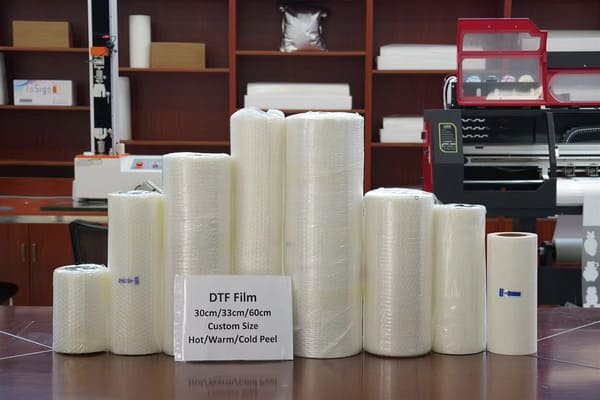
- Stable DTF film supply
- Bulk production support
- OEM customization
Feel free to contact us — we can help you build the right DTF solution for your business.

 English
  French
  Italian
  Arabic